Posted on

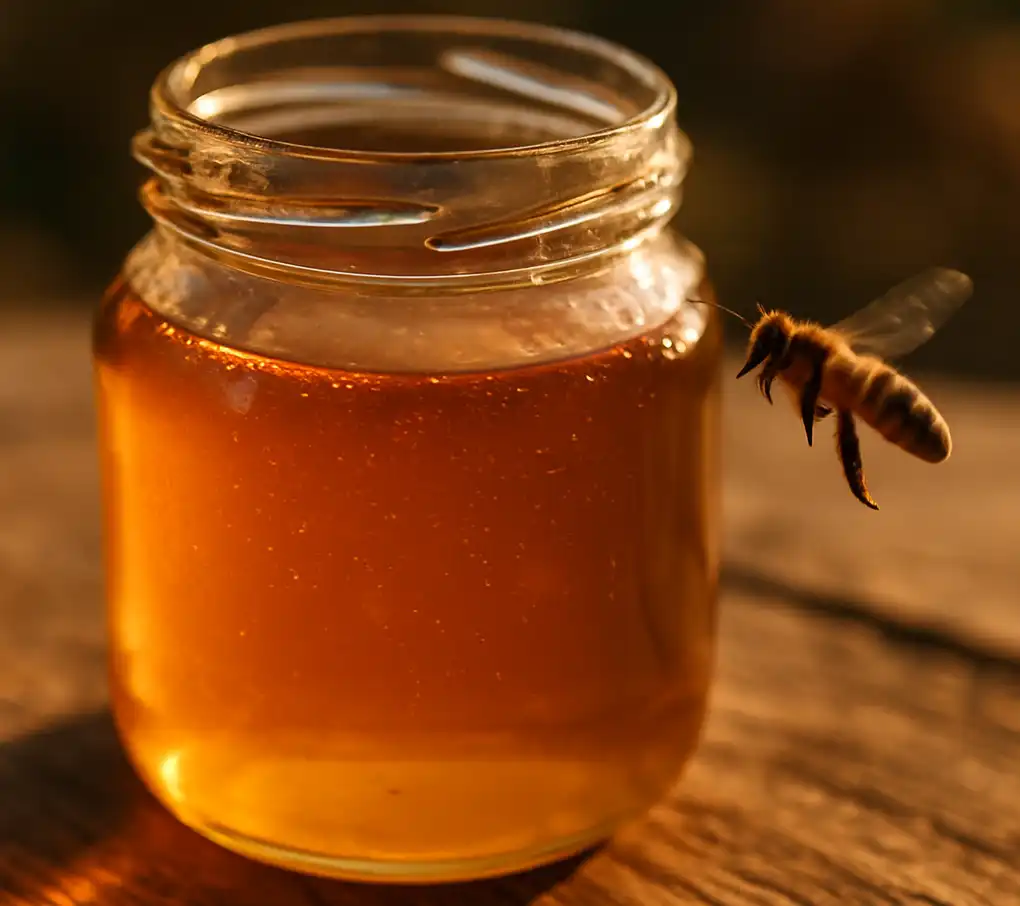
The Golden Elixir: Honey’s Sweet History

Since the dawn of humanity, honey has been more than just a sweet treat; it’s been a revered substance, a symbol of abundance, and a potent natural remedy. Across cultures, from the Ancient Egyptians and Greeks who called it the “nectar of the gods” to Ayurvedic traditions in India, honey was recognized for its precious qualities, a testament to its enduring value throughout human history.

Beyond its rich past, honey’s usefulness is remarkably diverse. As a natural sweetener, it offers a complex flavor profile far richer than refined sugar, with notes varying wildly based on the floral source. Its antimicrobial and antibacterial properties make it an effective remedy for soothing sore throats, dressing wounds, and promoting healing. Packed with antioxidants and offering a natural energy boost, honey continues to be a staple in kitchens and natural medicine cabinets worldwide.

But honey also possesses an almost magical quality, an allure that transcends its practical uses. It’s a symbol of nature’s incredible productivity. In folklore, honey represents prosperity, sweetness in life, love, and even immortality. Its warm, glowing color and luscious texture evoke feelings of comfort and well-being.

Posted on

A Nutty Tale: The Story of Four Nuts

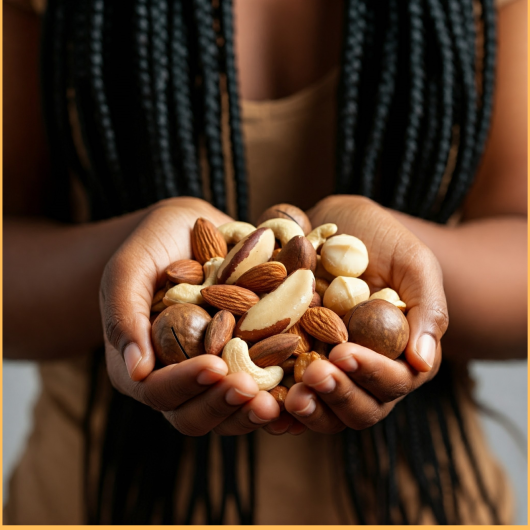
Nuts have been a cherished part of human diets for millennia, each with its own unique journey from ancient times to our modern snack bowls. Let’s dive into the fascinating histories of almonds, brazil nuts, cashews, and macadamias.

Almonds: The Ancient Delicacy
Almonds are actually seeds of the almond tree (Prunus dulcis). Originating in the Middle East, almonds were one of the first domesticated trees, with evidence of cultivation dating back over 5,000 years. They were highly valued by ancient civilisations, including the Egyptians and Romans, who believed almonds had numerous health benefits. Today, almonds are celebrated for their versatility and nutritional value, making them a staple in diets worldwide.

Brazil Nuts: The Amazonian Treasure
Brazil nuts come from the towering brazil nut tree (Bertholletia excelsa), native to the Amazon rainforest. Indigenous tribes have relied on these nuts for centuries, not only as a food source but also for their oil and medicinal properties. European explorers first encountered brazil nuts in the 16th century, and they quickly became a sought-after commodity. Despite their name, brazil nuts are found throughout the Amazon basin, not just in Brazil.

Cashews: The Curved Delight
Cashews have a unique history that begins in Brazil, where Portuguese explorers discovered them in the 16th century. The cashew tree (Anacardium occidentale) produces a fruit known as the cashew apple, with the nut hanging beneath it. The Portuguese spread cashews to their colonies in Africa and India, where they thrived and became integral to local cuisines. Today, cashews are enjoyed globally, prized for their creamy texture and rich flavour.

Macadamias: The Australian Gem
Macadamia nuts hail from the rainforests of Australia, where they were a traditional food for Indigenous Australians. Named after the Scottish-Australian chemist John Macadam, these nuts were first cultivated commercially in the late 19th century. Macadamias are known for their buttery flavour and are often considered a luxury nut due to their high price and labor-intensive harvesting process. They are now grown in various parts of the world, including Hawaii and South Africa.

From ancient civilisations to modern kitchens, almonds, brazil nuts, cashews, and macadamias have traveled far and wide, enriching our diets and cultures. Each nut carries a piece of history, a testament to the diverse and interconnected world we live in.

So, the next time you enjoy a handful of these delicious nuts, take a moment to appreciate their incredible journeys and the rich histories they bring to your table.

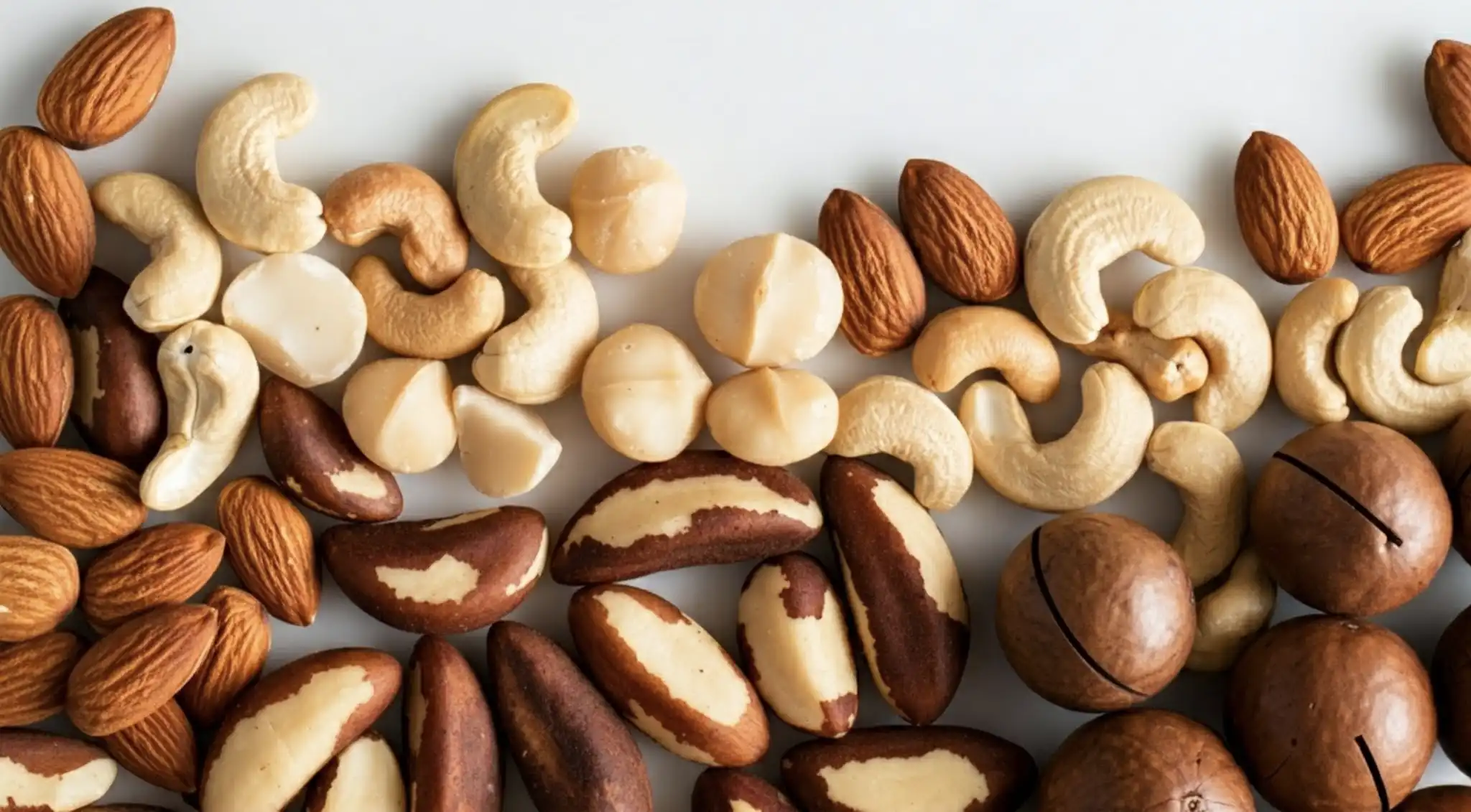
Mixed Nuts (100g)

Mixed Nuts (100g)

$3.00

Almonds, brazil nuts, cashews & macadamia
Posted on

The Sweet Journey of Mangoes

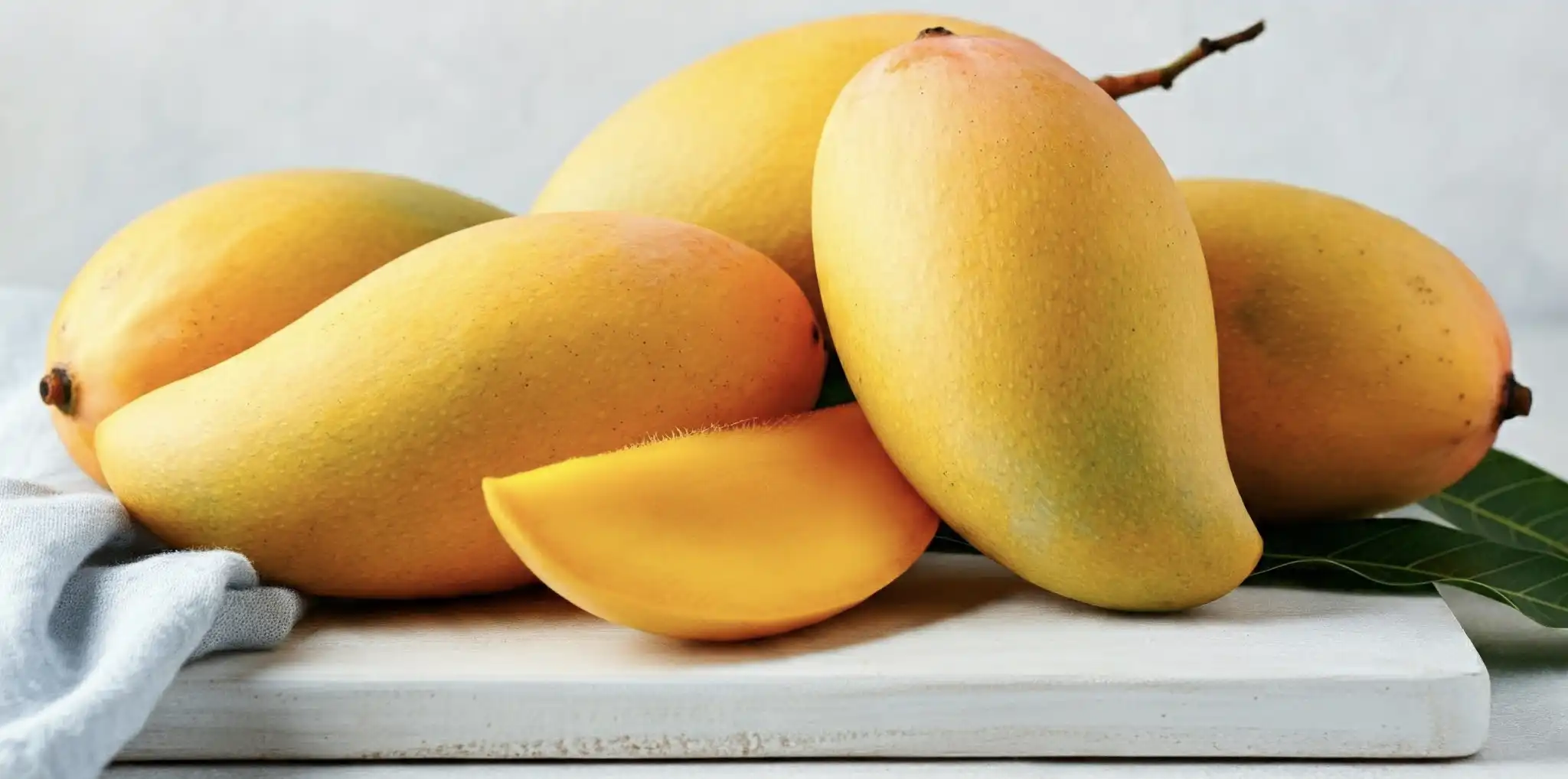
Mangoes, often hailed as the “king of fruits,” have a rich and fascinating history that spans over 4,000 years. Originating in the lush regions of South Asia, particularly in India, Myanmar, and Bangladesh, mangoes have traveled far and wide, captivating taste buds across the globe.

Ancient Beginnings
The story of mangoes begins in the ancient forests of India and Myanmar. These regions provided the perfect environment for the mango tree, scientifically known as Mangifera indica, to thrive. The fruit quickly became a staple in the diets of the local populations and was deeply integrated into their culture and traditions.

The Spread of Mangoes
Around 300-400 A.D., mango seeds began their journey beyond South Asia, carried by traders and travellers along the spice routes. They reached the Middle East, East Africa, and eventually South America. The Portuguese played a significant role in introducing mangoes to the Americas during their colonial expeditions.

Cultural Significance
In India, mangoes are more than just a fruit; they are a symbol of love and prosperity. The fruit is often associated with various religious and cultural ceremonies. For instance, it is said that Buddha was presented with a mango grove to find peace and tranquility.

Modern Day Mangoes
Today, mangoes are cultivated in most frost-free tropical and subtropical regions around the world. There are hundreds of varieties, each with its unique flavour, colour, and texture. From the Alphonso mangoes of India to the Ataulfo mangoes of Mexico, this fruit continues to be a global favourite.

Mangoes are not just delicious; they are also packed with nutrients, making them a healthy addition to any diet. Rich in vitamins A, C, and D, they offer numerous health benefits, from boosting immunity to improving digestion.

So, the next time you bite into a juicy mango, remember the incredible journey it has taken to reach you. From ancient forests to your fruit bowl, mangoes truly are a testament to nature’s bounty and human ingenuity.

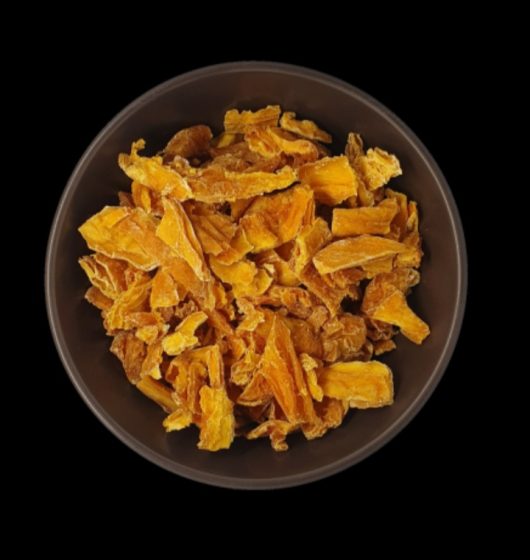
Dried Mangoes (100g)

Dried Mangoes (100g)

$3.00

Sweet dried Cape mangoes